


Which midsize truck is more comfortable for Brookings, SD daily driving — 2026 Honda Ridgeline or 2026 Toyota Tacoma?
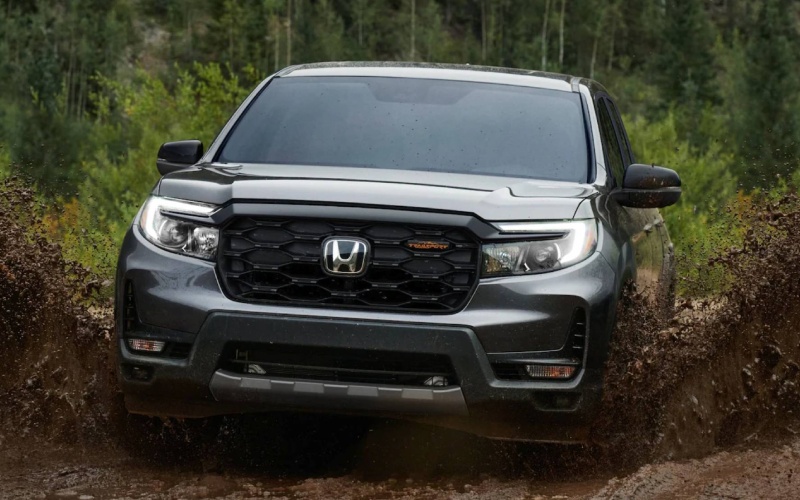
Vern Eide Honda – Which midsize truck is more comfortable for Brookings, SD daily driving — 2026 Honda Ridgeline or 2026 Toyota Tacoma?
If you define “comfort” the way most Brookings-area drivers do—calm ride quality on I-29, stable manners on wind-swept overpasses, and minimal head toss on patched county roads—the 2026 Honda Ridgeline holds a clear advantage. Its unibody construction and fully independent suspension deliver a more settled, SUV-like feel than the 2026 Toyota Tacoma’s body-on-frame layout with a solid rear axle. Tacoma counters with serious trail tools and available i-FORCE MAX hybrid torque that shine off-pavement, but those strengths don’t translate into the same day-to-day smoothness you’ll notice during school runs, grocery trips, and weekend errands.
Below, we unpack what “ride comfort” really means over a week in Brookings traffic, how each truck handles rough surfaces and crosswinds, and which features shape your experience when roads get messy in shoulder seasons. We’ll also call out a few accessories and trim choices that can fine-tune comfort no matter which pickup you prefer.
Why Ridgeline feels calmer around town
Ridgeline’s chassis is the foundation of its composure. A unibody platform ties the cabin and suspension together more rigidly than a traditional body-on-frame truck. Pair that with fully independent front and rear suspensions and you get better isolation from potholes, less side-to-side hop over expansion joints, and quieter highway cruising. The standard i-VTM4® AWD system actively shuffles torque across the rear axle to keep the truck rotating naturally on slick corners—confidence you notice on elevated stretches where winds can kick up near the Brookings interchange. The result is a pickup that simply settles down and goes about its business without calling attention to broken pavement or gusty days.
Tacoma rides on a robust frame and solid rear axle—great for durability and wheel articulation in the rough. On Double Cab models, Toyota moves to a coil-spring multi-link rear setup that helps. Even so, the ride remains “truckier,” especially when the bed is empty, and off-road-biased trims can feel taut on sharp-edged impacts. If you spend weekends tackling ruts or crawling rocky lines, Tacoma’s chassis choices pay dividends. If your weekdays are mostly pavement and occasional gravel to parks and trailheads, Ridgeline’s tuning is the more relaxing companion.
Seats, sound, and small details that add up
Comfort is more than suspension. The Ridgeline’s cabin leans premium without pretense: a standard tri-zone automatic climate control system, available leather-trimmed seats, and a 10-way power driver’s seat with memory make settling in effortless. The 60/40 split lift-up rear seats create space for tall cargo you want kept clean and dry, from a boxed stroller to a set of golf clubs. Wireless Apple CarPlay® and Android Auto™ simplify phone duties, and the available wireless phone charger keeps your console tidy on the way down 6th Street. Tacoma brings excellent tech—Toyota’s big touchscreen is a treat—and its front seats have improved support in this generation, but the Honda’s quieter cabin and gentler suspension tuning do more to reduce fatigue on longer drives.
Noise and vibration matter as well. Ridgeline’s structure filters more of the chatter you get on windswept pavement, and its AWD system’s seamless engagement avoids the driveline shudder some drivers feel with part-time 4WD systems on patchy traction. Tacoma’s trail telemetry, Multi-Terrain Monitor, and available stabilization hardware are brilliant for off-roaders; they’re simply not designed to make a Tuesday commute feel silkier.
Quick takeaways for Brookings drivers:
- Chassis design: Ridgeline’s unibody and fully independent suspension ride more smoothly than Tacoma’s frame-and-axle setup in everyday driving.
- AWD behavior: i-VTM4® feels transparent and sure-footed on mixed-traction surfaces, helping the Honda stay composed when conditions change block to block.
- Cabin experience: Standard tri-zone climate and available seating upgrades make the Ridgeline’s interior easier to live with on variable weather days.
What about towing and weekends? Ridgeline tows up to 5,000 pounds—perfect for small campers or a pair of ATVs—and its bed innovations are practical wins: a Dual-Action Tailgate and a lockable In-Bed Trunk® with a drain plug. Tacoma can tow more when configured for it and offers higher-wattage bed power on hybrid models, but if you value low-stress loading and easy gear management, Honda’s solutions hit the mark. That’s especially true when you want to keep items secure downtown or show up organized at a Jackrabbit tailgate.
Ultimately, comfort is about how a truck behaves during the 95 percent of your life that’s not on a trail. For most Brookings-area households, that’s where Ridgeline quietly excels. If you want to sample both back to back, Vern Eide Honda can outline a test drive loop that highlights wind exposure, patchy pavement, and a bit of gravel—exactly the conditions that reveal the differences.
Frequently Asked Questions:
Can Ridgeline handle winter driving as well as Tacoma?
Yes. Ridgeline’s standard i-VTM4® AWD and Intelligent Traction Management modes (Normal, Snow, Sand, Mud) deliver confident traction. Tacoma’s available part-time 4WD is also very capable; Honda’s system simply feels more transparent in day-to-day use.
Does Tacoma’s available hybrid make it a more comfortable daily driver?
The i-FORCE MAX hybrid focuses on power and torque. It’s excellent for off-road and towing response. Ride comfort, however, is driven primarily by chassis design, where Ridgeline’s unibody and independent suspension hold the advantage.
Which truck is better for mixed errands and weekend projects?
Ridgeline’s Dual-Action Tailgate and lockable In-Bed Trunk® simplify loading, securing, and organizing cargo. Tacoma offers strong utility and accessories, but Honda’s bed features are uniquely useful for urban and suburban routines.
If you’re weighing daily comfort against weekend flexibility, our advice is simple: start with how you use your truck 5 days a week, then make sure it can support the fun you plan for the other 2. When that’s the framework, Ridgeline tends to come out on top for Brookings drivers.
We’re proudly serving Rapid City, Aberdeen, and Brookings with comparisons that focus on real-world needs, not just spec sheets—so you can feel confident when it’s time to decide.
0 comment(s) so far on Which midsize truck is more comfortable for Brookings, SD daily driving — 2026 Honda Ridgeline or 2026 Toyota Tacoma?